Detroit beat, how Rio Da Yung OG and Babyfxce E type beats are built
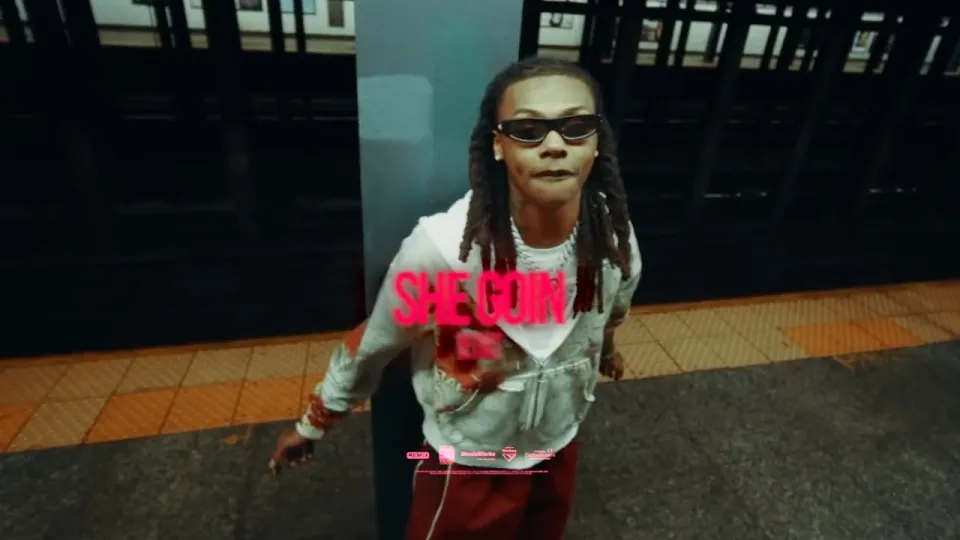
Video: [FREE] “She Goin” - Rio Da Yung OG x Babyfxce E Type Beat | Detroit Type Beat
You can order the same kind of articles for your own video to boost it on YouTube and Google. Just message the Telegram bot @sat_sit_bot. Articles with your video embedded are written and posted by the bot itself — on popular topical sites (no ads). Your first 50 articles are free.
Key takeaways
- A Detroit beat is a dark, sparse rap instrumental built on sliding 808 bass, punchy kicks and minor-key piano or bell loops.
- The "She Goin" beat from Reuel StopPlaying is free for non-profit use only and is sold for profit use via https://bit.ly/2mxSONh.
- Credit on any release must read "Produced by (Producer Name) for SoundFirst Productions".
- Michigan's scene splits into two related sounds: Detroit (Babyface Ray, BabyTron, Peezy) and Flint (Rio Da Yung OG, RMC Mike, YSR Gramz).
- Buying a beat does not remove the producer's YouTube upload — the video stays up unless an exclusive deal says otherwise.
A Detroit beat is a dark, low-slung rap instrumental built around sliding 808 bass, hard kicks, fast hi-hats and a minor-key piano or bell loop — the sound behind Michigan rappers like Rio Da Yung OG, Babyfxce E and BabyTron. The free "She Goin" beat by Reuel StopPlaying is a working example of that template, and you can grab it for non-profit use or license it for profit through the producer's beat store.
What defines the Detroit beat sound
A Detroit beat is less a genre than a production recipe, and that recipe is unusually consistent across the city and its Flint neighbours. The core is a sparse arrangement: one melodic loop, one bassline, one drum pattern, and a lot of empty space left for the rapper.
Typical ingredients:
- Tempo — most Detroit and Flint instrumentals sit roughly between 90 and 105 BPM, but the hi-hats are written in double or triple time, so the track feels faster than the tempo suggests.
- 808 bass — long, pitch-sliding 808 notes carry the melody as much as the piano does. The glide between notes is the signature, not just the note itself.
- Drums — a punchy kick on the downbeats, crisp snares or claps on the backbeat, and rapid hat rolls that fill the gaps.
- Melody — minor-key piano, dark bells, plucked strings or a detuned synth sample, usually filtered so it sounds slightly distant.
- Space — few layers, heavy repetition, and a mix that keeps the low end loud and the mids clear.
The result is a beat that sounds menacing at low volume and physical on a car system, which is exactly why the style spread through Michigan street rap before reaching national playlists.
Detroit vs Flint: the same family, different accents
Detroit and Flint type beats are usually sold side by side, and the tags on a single upload often list artists from both cities. The distinction matters if you are trying to match a specific rapper's pocket.
Detroit-leaning production tends to be a little more melodic and bouncy, with cleaner piano loops and a slightly brighter mix — the territory of Babyface Ray, BabyTron, Peezy and Krispylife Kidd. Flint-leaning production is rawer: heavier 808 distortion, grimier samples, more room noise and ad-libs, matching Rio Da Yung OG, RMC Mike, YSR Gramz, GrindHard E and Ak Bandamont.
Babyfxce E sits in the overlap, which is why a single beat can be tagged for both him and Rio Da Yung OG without contradiction. If you are writing to a beat like "She Goin", the practical question is not which city it belongs to but which flow pocket it leaves open: a sparse loop with hard 808 slides rewards short, punchy bars and ad-lib callouts rather than dense double-time rapping.
How to use the free "She Goin" beat legally
The "She Goin" upload is free for non-profit use only, and the producer states the terms plainly in the video description. Free downloads cover demos, promo CDs, personal recordings, non-profit live shows, and streaming your song on YouTube, Facebook or similar platforms — as long as nobody is making money from it. For-profit use is forbidden under the free licence.
If you do release something on the free terms, credit is mandatory and the wording is fixed: "Produced by (Producer Name) for SoundFirst Productions". That credit has to appear on every physical and digital distribution of your recording, and in the description of any streaming upload. Where written credit is genuinely impossible, a recorded vocal credit is required instead. The producer also reserves the right to change the policy at any time.
For anything commercial — paid streams, monetised videos, shows with a door split, sync, or selling the track — you need a Non-Exclusive or Exclusive licence, which is what the store link is for.
Buying, licensing and what actually happens to the video
Buying a beat through the store is a licence purchase, not a takedown request. The producer's own YouTube upload normally stays online, because the free version and the licensed version serve different purposes: the free upload is the shop window, and the paid licence is the paperwork that lets you monetise.
A few practical points that come up constantly:
- Non-exclusive means the producer can keep selling the same beat to other artists. It is cheaper and fine for most independent releases.
- Exclusive means the beat is pulled from sale and other artists can no longer license it. Expect a much higher price and a written agreement.
- Stems and tracked-out files are not automatic. If you want to mix the beat yourself or have an engineer do it, ask before paying.
- Selling the beat on to a third party is not part of either licence. You are licensing the right to record and release a song over it, not to redistribute the instrumental.
- Monetisation on YouTube or streaming services is a for-profit use, so it requires the paid licence even if your song is otherwise free to listen to.
Questions producers get asked most about type beats
The comments under free type beat uploads are a reliable map of what artists are unsure about, and most of the confusion is about permissions rather than music.
The most common one is whether a free beat can simply be screen-recorded from YouTube. Technically you can capture the audio, but the licence does not change because of how you obtained the file — non-profit use is non-profit use, and a screen recording does not grant commercial rights. The second is pricing: producers rarely publish a fixed number because it depends on exclusivity, stems and intended use, so the store or a direct email is the normal route. The third is whether a purchase removes the producer's upload, which it does not unless the deal is exclusive. And the fourth is credit: artists often assume a shout-out in the song is enough, when the licence specifically asks for written credit in the description and on distributions.
On the music side, the recurring question is about the 808 itself — which sample or preset gives that sliding Michigan low end. There is no single answer, because most producers layer a sub, a distorted 808 one-shot and a pitch envelope, then tune the glide length by hand. Copying the exact chain matters far less than matching the note lengths to the flow you are writing.
Useful links
- Buy or license the beat: https://bit.ly/2mxSONh
- Producer on Twitter: https://twitter.com/reuelethan
- Producer on Instagram: http://instagram.com/Reuelethan
Final word on the Detroit beat formula
A Detroit beat works because it does very little and does it loudly: one dark loop, one sliding bassline, hard drums, and enough empty space for a rapper to sit in. The "She Goin" instrumental from Reuel StopPlaying follows that formula closely, which is why it fits both a Rio Da Yung OG pocket and a Babyfxce E one. If you are only posting a demo or a non-profit video, the free download and the required credit line are all you need. If money is involved, license it properly through the beat store before you release. This breakdown was put together from the Reuel StopPlaying upload and the questions its listeners keep asking.
Questions & answers
Can I just screen-record a free type beat and use it?
You can capture the audio, but that does not change the licence. Free beats from this upload are cleared for non-profit, promotional and personal use only, so a screen recording is fine for a demo but not for anything monetised. For commercial release you need a Non-Exclusive or Exclusive licence.
How much does a Detroit type beat cost?
Prices are not fixed, because they depend on whether you want non-exclusive or exclusive rights, whether stems are included, and how the track will be used. Producers usually quote per beat through their store or by email rather than listing a single public price.
If I buy the beat, will the producer take the YouTube video down?
Normally no. The free upload stays online as promotion unless you buy exclusive rights, which usually means the beat is removed from sale and no longer licensed to other artists. A non-exclusive purchase does not require any takedown.
What credit do I have to give when I use the free beat?
The licence requires the exact line "Produced by (Producer Name) for SoundFirst Productions" on every physical and digital distribution of your song, and in the description of any streaming upload such as YouTube. If written credit is impossible, a recorded vocal credit is required instead.
Source: [FREE] “She Goin” - Rio Da Yung OG x Babyfxce E Type Beat | Detroit Type Beat · Markdown version